Somerset: How agency staff spending passed £40m
By Laura Linham 29th Mar 2026
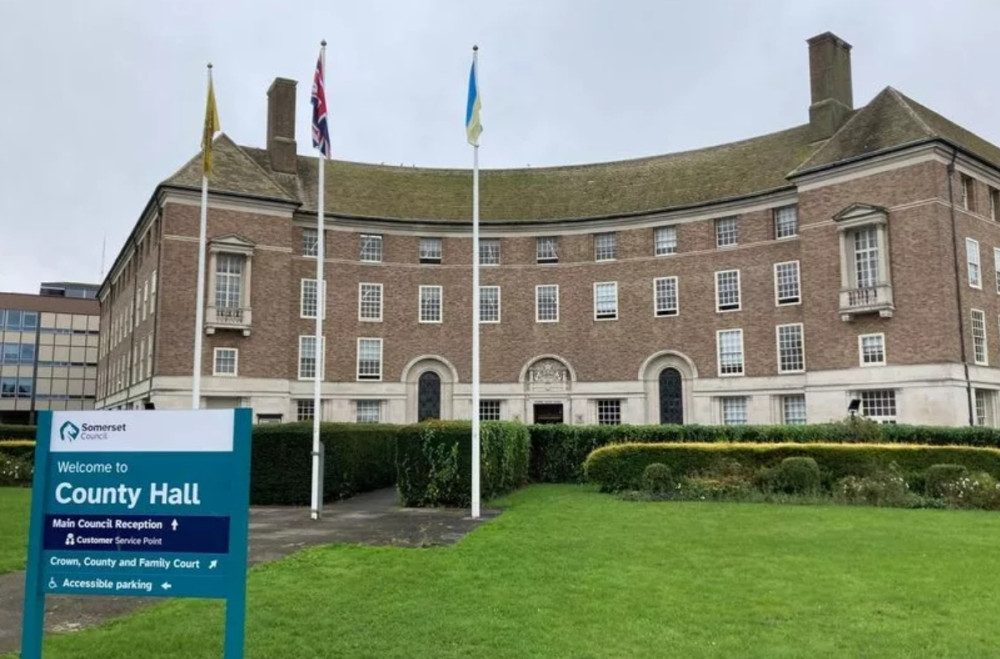

Somerset Council has spent more than £40m on agency staffing since it was created in April 2023 — and the figure has become a flashpoint in the political battle over how the authority is trying to balance its books.
But the headline number only tells part of the story. Behind it sits a council still reshaping itself through a major transformation programme, a first wave of around 300 job losses, and ongoing struggles to fill key roles permanently while maintaining frontline services.
That is how Somerset has arrived at a position where ministers are not the issue, Whitehall is not the immediate story, and the fiercest argument is instead about whether the council is paying over the odds to keep essential services running.
How the spending climbed
The figures aired at the council's executive committee meeting in Taunton on Wednesday, 11 March show how quickly the bill has risen.
Conservative group leader Councillor Diogo Rodrigues said members had previously been told spending on agency staff and consultants had reached £33m, made up of £12.5m in 2023/24, £14.2m in 2024/25, and £6.8m so far in 2025/26 at that point.
Councillor Theo Butt Philip, Somerset Council's portfolio holder for transformation, human resources and localities, then updated the latest 2025/26 year-to-date figure to £14,000,421 as of February. On that basis, total spending since the council's creation stands at about £40.7m. The council had not yet published a final full-year 2025/26 figure at the time of that exchange, so the total remains a running figure rather than a final audited year-end sum.
Why the council says it cannot just stop
The administration's argument is blunt: without agency staff, some services would struggle to function.
Mr Butt Philip told councillors Somerset Council employs around 4,700 staff and spends more than £330m on staffing overall, with agency labour used where permanent recruitment has proved difficult. He said the authority was moving agency workers onto permanent contracts wherever possible, pointing to the interim HR director becoming permanent in June last year and a permanent chief financial officer appointment being made recently.
Download our Nub News App!
- It’s FREE and available now- Breaking news notifications
- Your Town in Your Pocket


He also singled out planning and enforcement as areas of particular pressure. As of February, the council said it had eight agency workers in planning and four in enforcement while recruitment continued.
That matters because these are not back-office posts that can quietly sit empty. Planning delays, enforcement gaps and overstretched teams quickly become visible to residents, applicants and businesses.
The deeper problem behind the numbers
This is where the story becomes bigger than a single budget line.
Somerset Council has been trying to cut costs and redesign services through a wide-ranging transformation programme. The first phase finished in April 2025 and resulted in around 300 staff leaving. Then, in September 2025, the council entered into a £20m contract with Newton to deliver the next phase of that work.
The council's case is that transformation is meant to make the authority leaner and more efficient in the long term. The political risk is that cutting posts while still needing to deliver statutory services can leave gaps that have to be plugged quickly — and usually at greater cost through agency recruitment.
That does not automatically mean every pound of agency spending is wasteful. But it does explain why a council trying to save money can still end up spending heavily on temporary labour at the same time.
Where the political attack lands
For the Conservatives, this is a simple cost-of-living argument.
Mr Rodrigues has accused the Liberal Democrat administration of becoming too reliant on temporary staff, warning that agency use risks becoming "business as usual" while residents face rising council tax bills. He said one temporary officer was costing the council almost a quarter of a million pounds for a single year and argued the authority should take a tougher line on reducing temporary labour.

The Conservative group tried to make that case in budget form earlier this month, proposing a 30 per cent reduction in agency use across the board. That plan was rejected by full council on Tuesday, 4 March.
The administration's response is equally political: cut agency staff too hard, too fast, and service delivery suffers. Mr Butt Philip said that was a judgement the opposition was free to make, but not one he supported.
What happens next
The next big test is whether Somerset Council can turn its recruitment drive into lasting savings.
The authority says it is reviewing staff pay to make roles more competitive and improve retention. It has also already acknowledged one weak spot: in January, the council said its enforcement team was heavily reliant on agency workers supplied through Lichfield West Midlands Traded Services, a company owned by Lichfield District Council.
So the question now is not simply how the agency bill crossed £40m. It is whether Somerset can shrink that figure without hollowing out the very services residents notice first.
That will decide whether this period is remembered as an expensive but temporary bridge through restructuring — or as proof that cutting jobs without fixing recruitment simply shifts the cost elsewhere.
Additional reporting: Daniel Mumby/LDRS
More local stories
- Wells man charged after Morrisons staff assaulted
- Somerset MPs demand help to save carnival tradition
- Glastonbury area dig uncovers 6,000-year-old trackway
Subscribe to the free Glastonbury Nub News newsletter Get the biggest Glastonbury stories straight to your inbox.

Download our Nub News App:
- It’s FREE and available now
- Breaking news notifications
- Your Town in Your Pocket
Share: