Glastonbury UNESCO row: how a heritage bid split a Somerset town
By Laura Linham 22nd Mar 2026
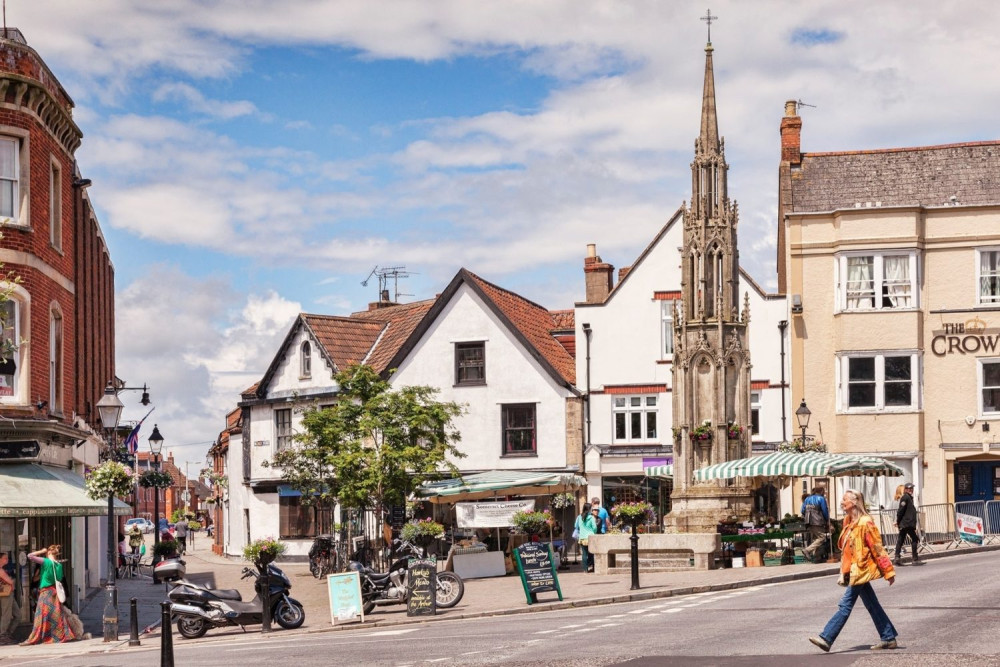

What began in 2022 as an attempt to explore whether Glastonbury could seek UNESCO World Heritage Status ended last week in a rancorous council meeting, a lopsided vote and a town left arguing over what went wrong.
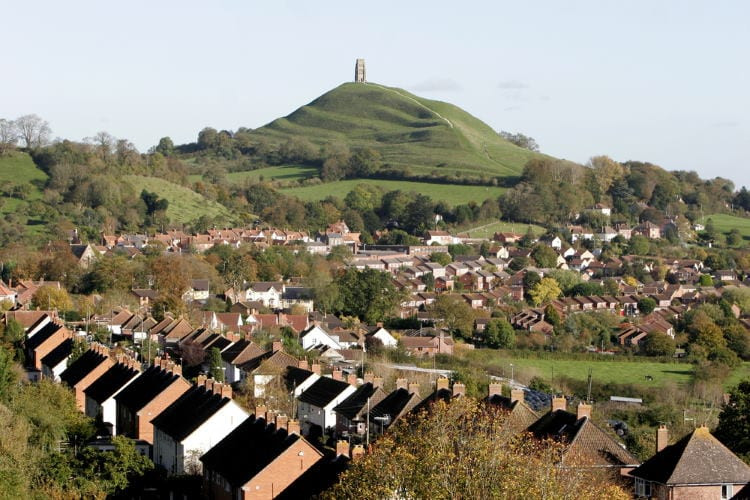
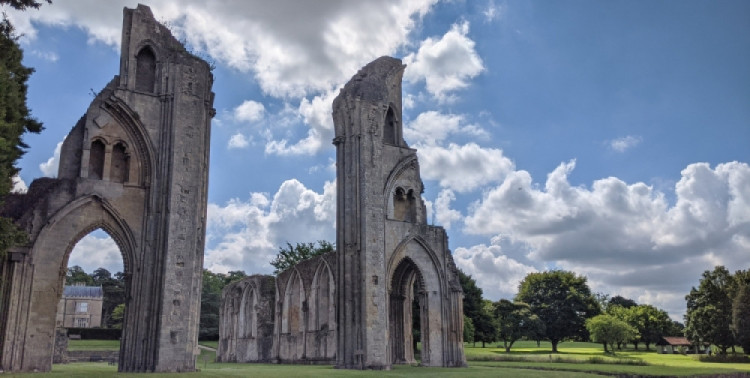
On paper, the idea was straightforward enough. Glastonbury is a place with an extraordinary story to tell, from the Tor and the Abbey to the Isle of Avalon and the town's longstanding spiritual significance. Supporters believed World Heritage Status could help protect that landscape and give added weight to the case for preserving it.
In practice, though, the issue became tangled up in almost everything else Glastonbury is wrestling with — tourism, anti-social behaviour, planning, housing pressure, public trust and the question of who gets heard when big decisions are being made. By the time councillors voted on Tuesday, 10 March to pause the process, the World Heritage bid had become about far more than heritage alone.
How the idea took hold
The starting point was June 2022, when Glastonbury Town Council agreed to look into whether part or all of the town could eventually seek World Heritage Status.
For those in favour, the case was not difficult to understand. Glastonbury is no ordinary market town. Its history, mythology and sacred associations give it a profile far beyond Somerset, and supporters saw UNESCO status as a way of recognising that importance while strengthening protection for the landscape around it.
But a bid of that kind was always going to be a major undertaking. This was never simply about adding a prestigious label. It would have meant years of evidence gathering, a management plan, consultation, staffing and long-term oversight, all of which carried obvious questions about cost, time and whether the town as a whole actually wanted to go down that road.
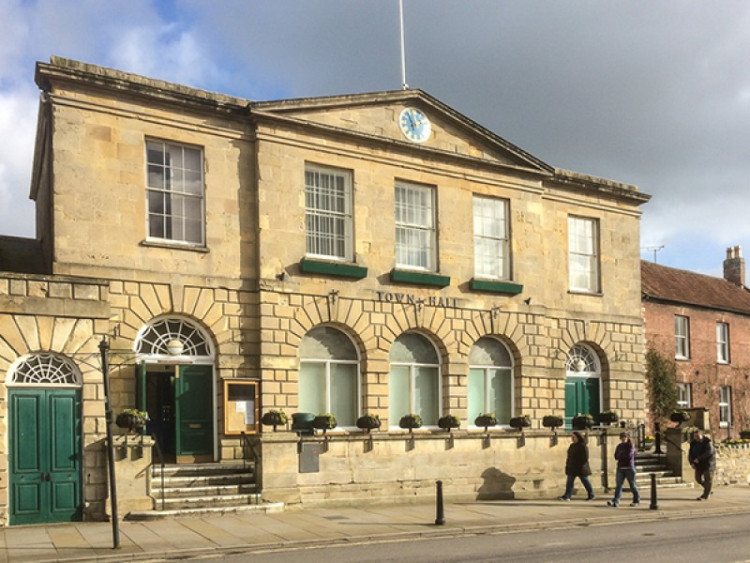
Why it became so divisive
That is where the split began to open up.
Download our Nub News App!
- It’s FREE and available now- Breaking news notifications
- Your Town in Your Pocket


To supporters, World Heritage Status offered a chance to protect Glastonbury from unsympathetic development and to make a serious case for safeguarding a place they saw as nationally and internationally important.
To opponents, however, it raised a different set of alarms. There were fears about more tourism, more pressure on a town already stretched, tighter controls on development and the risk that Glastonbury would become more managed and commercialised rather than protected.
Over time, those worries grew into a more organised campaign. Residents questioned whether the town needed another international designation when it was already dealing with parking problems, housing strain, anti-social behaviour and wider tensions over development. Others asked whether council time and money ought to be spent on a project of this scale when more immediate local problems remained unresolved.
By the time the issue came back before councillors this month, a petition against the proposal had gathered more than 3,800 signatures. Campaigner Amanda Gazidis, who became one of the best-known public opponents of the plan, warned it could "change the whole face" of Glastonbury.
That phrase caught on because it spoke to the heart of the backlash. For many critics, the issue was not simply whether World Heritage Status was a good technical fit. It was whether the very thing presented as protection might end up changing the town in ways people did not want.
The working group found a case — but not agreement
One of the striking things about the final stages of the process is that the working group did not conclude the idea was unrealistic.
In its final report, dated 16 February 2026, the Glastonbury World Heritage Status Working Group said the town "could have a reasonable chance" of achieving World Heritage Status if the council decided to pursue it. That gave supporters a clear point to hold onto: the proposal was not paused because Glastonbury had no case to make.
At the same time, the same report showed just how divided opinion remained. Of the nine non-councillor members of the group, six said World Heritage Status would be of benefit and should be taken further. One felt it could be worthwhile in principle, but that the likely time, cost and difficulty would probably not justify it. Two said it should not be pursued any further.

That split is important, because it explains why the debate never settled down. The people closest to the detail could see both the potential value and the considerable complications. The report did not hand the town a clear answer. Instead, it confirmed that Glastonbury had a plausible case for World Heritage Status, but no settled consensus on whether pursuing it was worth the fallout.
How the process began to fray
The row deepened as the council tried to test the idea more thoroughly.
A public working group was set up alongside an independent scoping study, but that process soon became contentious in its own right. In April 2025, the issue was drawn into a dispute over transparency after some volunteers wanted anonymity because they feared abuse. Cllr Jon Cousins said some members felt the reaction could be "quite hostile", while critics argued that a process dealing with such an important public issue should be open.
That mattered because the UNESCO debate had now become about more than UNESCO. It was also about whether people involved in the process felt safe, whether residents felt properly included, and whether the council had managed to build trust around a proposal that was always going to be sensitive.
The final report later made clear that these were not abstract concerns. It said working group members had been subjected to antisocial behaviour during sessions "to the extent that one meeting had to be abandoned", and warned that anti-social behaviour in the town had the potential to undermine any future bid.
What the final report actually said
The working group's report did more than judge whether the bid was viable. It also addressed several of the fears that had fuelled the backlash.
Tourism was one of the biggest flashpoints. The report said members believed a "modest increase in tourism" would likely follow if Glastonbury gained World Heritage Status, simply because it would be added to the international list of sites. But it stopped short of endorsing the idea of a huge, inevitable surge. It noted that any increase would depend heavily on the management plan, and recorded advice from DCMS that some international interest — particularly from Chinese and Japanese tourists — could be short-lived after listing.

Another concern often raised was property values. On that point, the group said it had found no credible evidence of a direct link between World Heritage Status and higher property prices. It also recorded that DCMS had seen no specific impact across UK sites that could be attributed to WHS.
Where the report was firmer was on development, cost and resources. It said the town would have an ongoing duty to advise UNESCO of any proposed development that threatened the site's Outstanding Universal Value, and described that as a serious commitment that could have a significant impact on major infrastructure projects. At the same time, it stressed that World Heritage Status "protects, but does not stop development".
It also made plain that this would not have been a cheap or light-touch exercise. DCMS advised that every World Heritage site should ideally have a co-ordinator or site manager, normally in a full-time role, and the group said there could be significant costs depending on the route taken.
For residents already worried about local priorities, that was a powerful argument in itself.
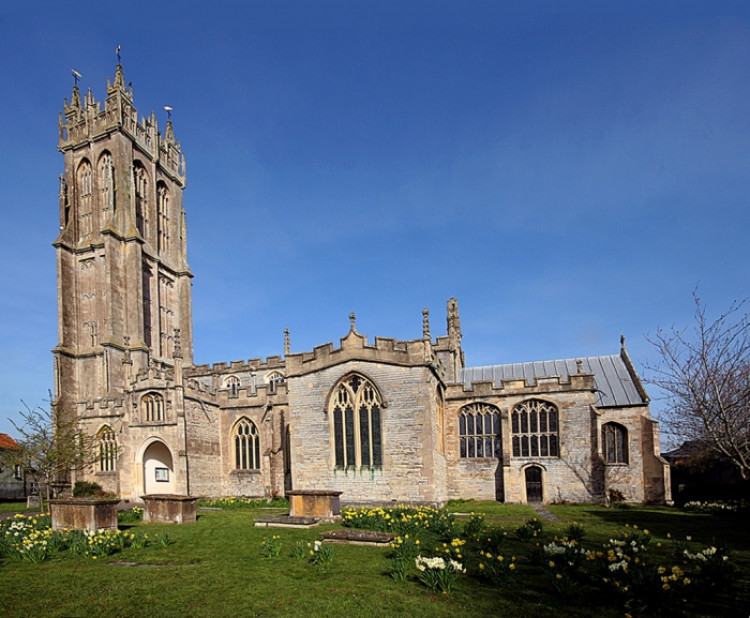
The wider implications were bigger than they first looked
Another detail in the report helped explain why the issue had become so sensitive.
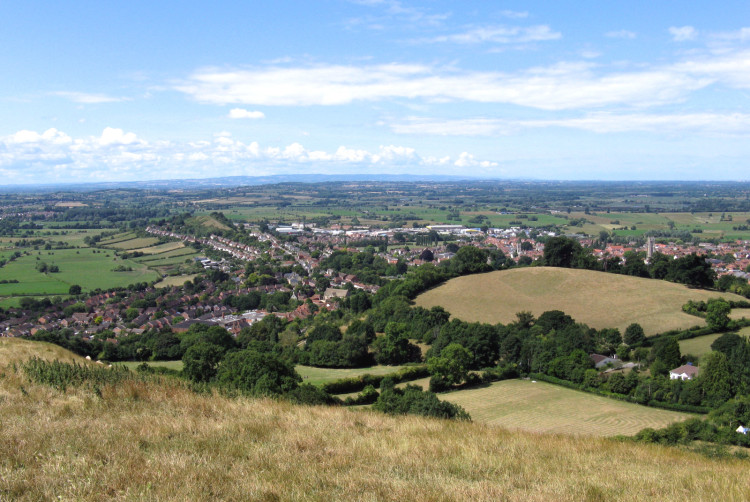
The group suggested a possible core boundary covering the town itself and its immediately surrounding landscape, including the Tor, with a wider buffer zone protecting views to and from the Tor. Crucially, it noted that such a buffer zone could even extend as far as Wells, making close engagement with the city essential.
That underlined just how large the implications could have been. This was not a tidy idea confined to a single site. It had the potential to affect planning, landscape protection and neighbouring communities in ways that were far from simple.
How online anger helped poison the debate
The hostility around the bid was not confined to council meetings or working group sessions. It was playing out online too, where some social media posts accused councillors and others involved in the process of treating residents "with contempt", being "uninclined to communicate" and pressing on in the face of clear local opposition. Long before the final vote, the tone had become increasingly bitter, helping to deepen mistrust around the whole issue.
As the row intensified, so did the misinformation circulating alongside it. Posts shared claims that UNESCO would somehow "own" or "control" Glastonbury, that World Heritage Status was tied to Agenda 2030, Net Zero or "15-minute city" plans, and that the town would be forced to conform to rigid outside rules.
Other claims were even more far-fetched, including suggestions that Glastonbury Tor would be fenced off or that people could one day be charged to climb it. There were also sweeping warnings that "everything you love about Glastonbury will cease to exist", while some posts cast the whole proposal as little more than a money-making exercise. By that stage, the argument had moved well beyond a straightforward debate about heritage and into something far more heated, distrustful and conspiratorial.
The meeting where it finally boiled over
When the issue came before full council on Tuesday, 10 March, all of that tension came with it.
Because of the turnout, the World Heritage item was moved to the top of the agenda, but the meeting quickly became disorderly. Councillors were repeatedly interrupted by shouts from the public gallery as they tried to speak.
Cllr Serena Roney-Dougal, arguing in favour of continuing the process, said she felt "ashamed on behalf of the residents of Glastonbury" over the way consultants and working group members had been treated, describing it as "angry and abusive and harassing and intimidating".
That drew an immediate response from the gallery: "You are antisocial. You are the ones that are disrespectful."
Mayor Michael White had to intervene more than once, telling the room: "We cannot conduct our business with people interrupting."
Later in the meeting, one voice from the gallery was reported as shouting: "Do a parasite cleanse." Cllr Emma King also told the chamber that someone behind her at a meeting on the Sunday had said: "I'm going to do them in now."
By that point, the extent of the breakdown was hard to ignore.
Why councillors finally pulled back
Inside the chamber, the political split was just as stark as the public one.
Supporters of the bid wanted Glastonbury to move into a second phase, including work on a nomination dossier, an impact assessment, a management plan and wider community engagement. Their argument was that the town had something genuinely rare to protect and should not walk away just as the possibility of a credible bid had become clearer.
Opponents, however, said the reports showed Glastonbury was not ready. They pointed to the lack of consensus, the likely need for dedicated staffing, the uncertainty over costs and the damage already done to community relations.
Cllr Lili Osborne summed up some of that frustration when she said: "You come to a meeting to put your position and you are referred to as a mob."
The decisive moment came when Cllr Zoe Price tabled an amendment calling for all work towards a World Heritage application to be paused, with the council instead focusing on a comprehensive town management plan, anti-social behaviour, stronger community engagement and other forms of landscape protection. The amendment passed by 13 votes to two.
That result was emphatic, but it was not entirely a rejection of the ideas in the report. In fact, the working group had itself concluded that whether or not World Heritage Status was pursued, Glastonbury would benefit from a management plan. In that sense, the council's pivot reflected one of the report's clearest recommendations: that the groundwork needed to come first.
What went wrong
The World Heritage bid did not stall because one side suddenly landed a knockout blow. It stalled because too many faultlines opened at once.
A potentially viable heritage proposal collided with deep local anxieties about tourism, cost, development and public spending. A process meant to test the idea became caught up in rows over transparency, trust and abuse. Working group members said they faced antisocial behaviour. Online rhetoric turned increasingly bitter. And when the final papers appeared, they made clear just how much work, money and consensus would be needed to take the next step.
That is what split the town.
Not simply the question of UNESCO itself, but everything people believed it stood for — protection or overreach, pride or pressure, vision or distraction.
For now, the bid is paused. But the argument it exposed about Glastonbury's future, and about how major decisions should be handled in a town with such strong feelings about its identity, is unlikely to disappear any time soon.
More local stories
Subscribe to the free Glastonbury Nub News newsletter Get the biggest Glastonbury stories straight to your inbox.
Download our Nub News App:
- It’s FREE and available now
- Breaking news notifications
- Your Town in Your Pocket
Share: